Know-howFabrics
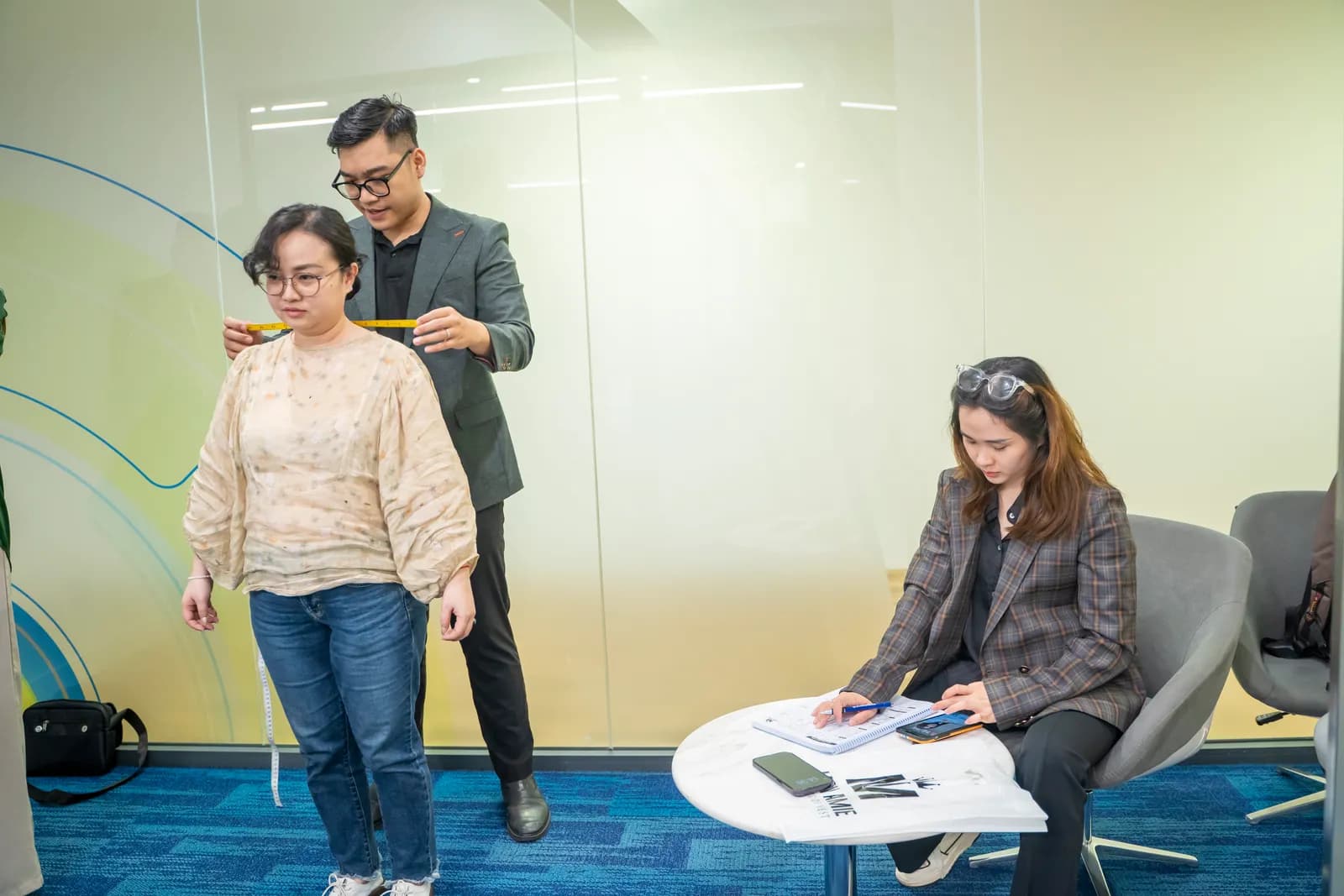
Choosing bank uniform fabric by working environment
Bank uniform fabric should suit air-conditioned counters, client visits outdoors and a day on the move. Four fabric families compared, with testing tips.
Uniform journal
9 articles in this section.
Bank uniform fabric should suit air-conditioned counters, client visits outdoors and a day on the move. Four fabric families compared, with testing tips.
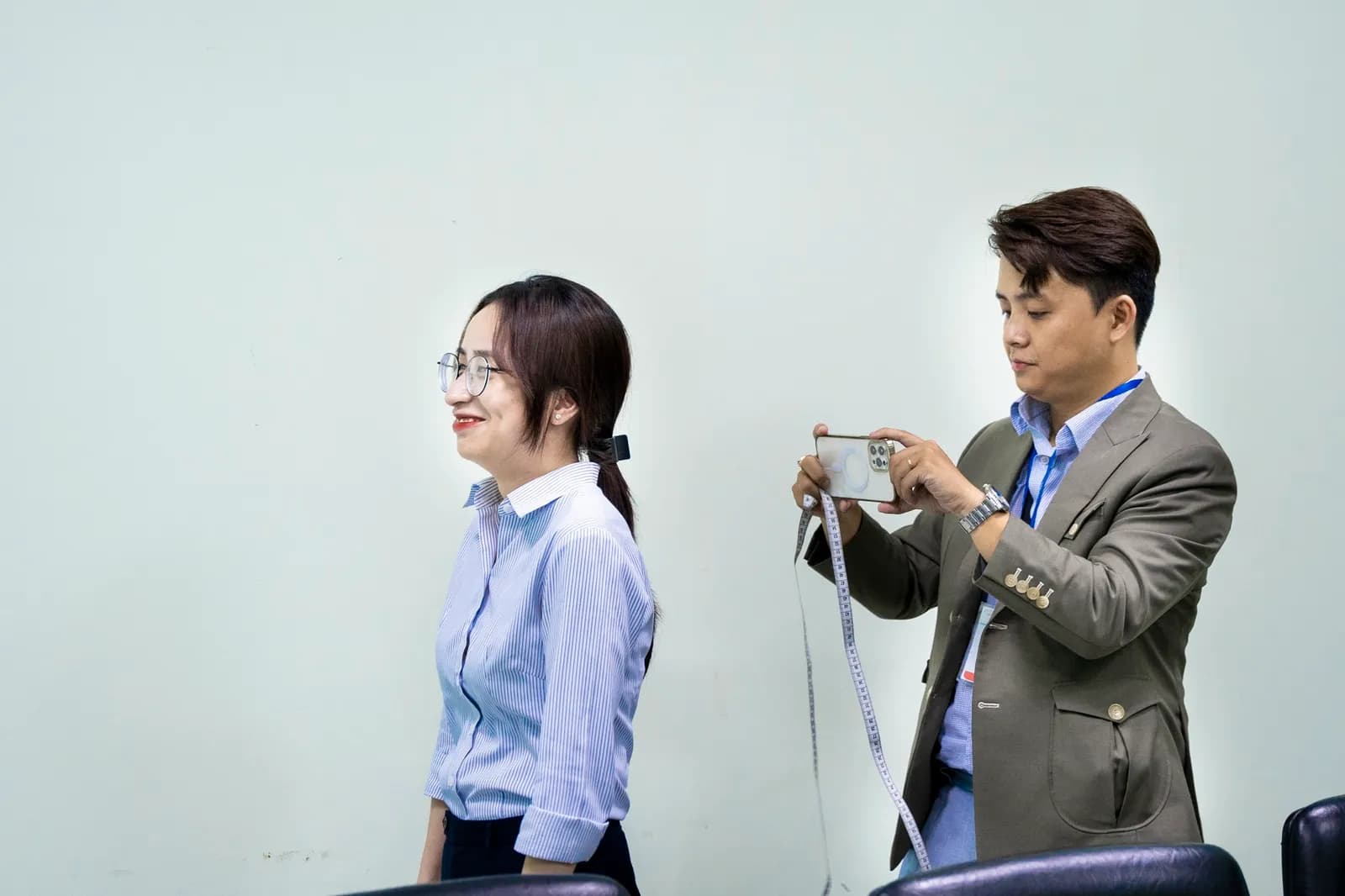
Fabric for a tech company uniform should follow where people work: offices, field sites or client visits. Mon Amie compares four fabric families.
Piqué ("vải cá sấu") for polo shirts: polyester piqué usually dries fast and holds colour; cotton piqué is softer and more absorbent. Comparison and tips.
Wool for suits carries a Super number such as Super 100s or 120s, which describes fibre fineness. Mon Amie Uniform explains how to read it and choose by use.
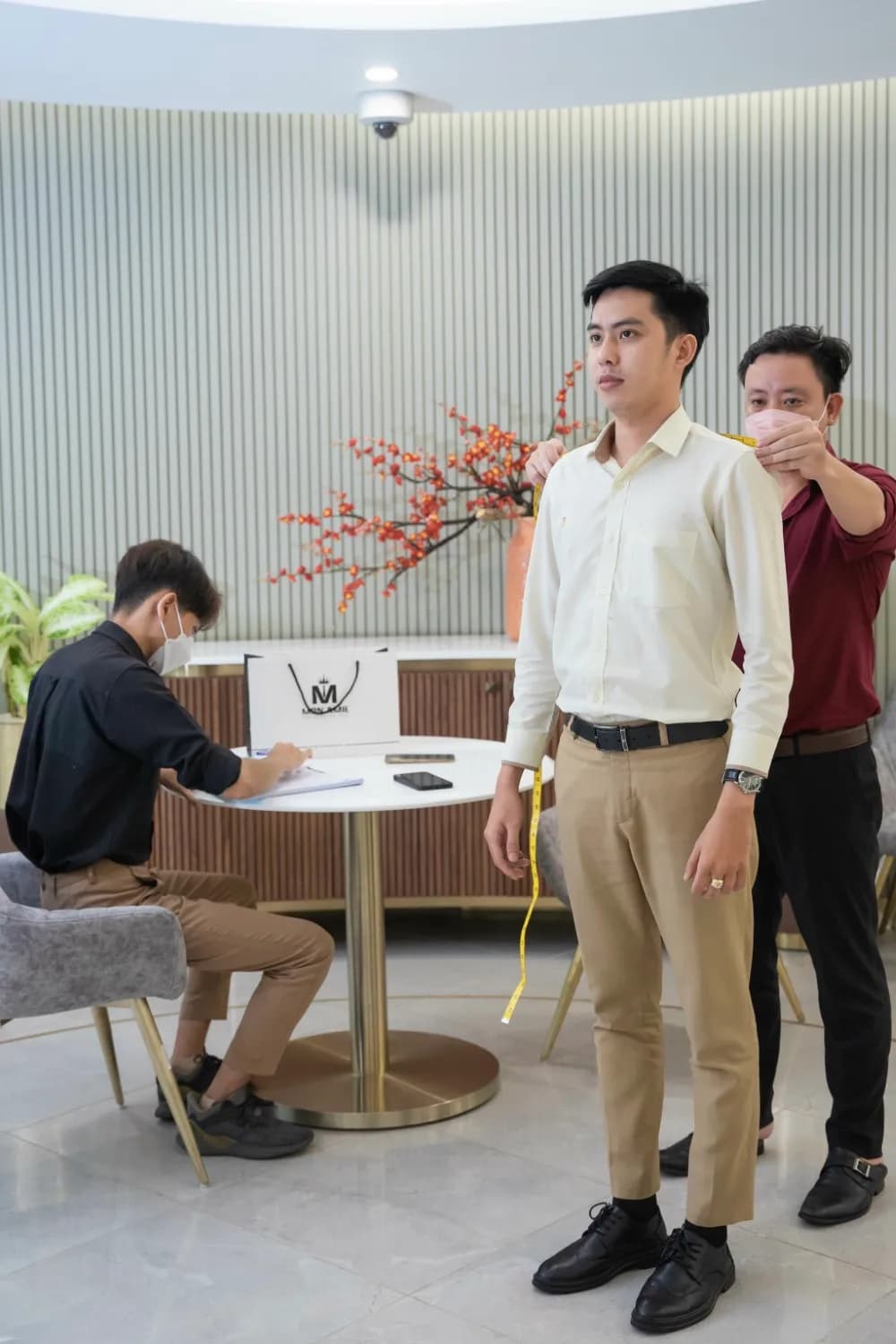
Pilling happens when friction pulls short fibres into small balls. Long, tightly spun fibres, a close weave and gentle washing keep uniforms neat longer.
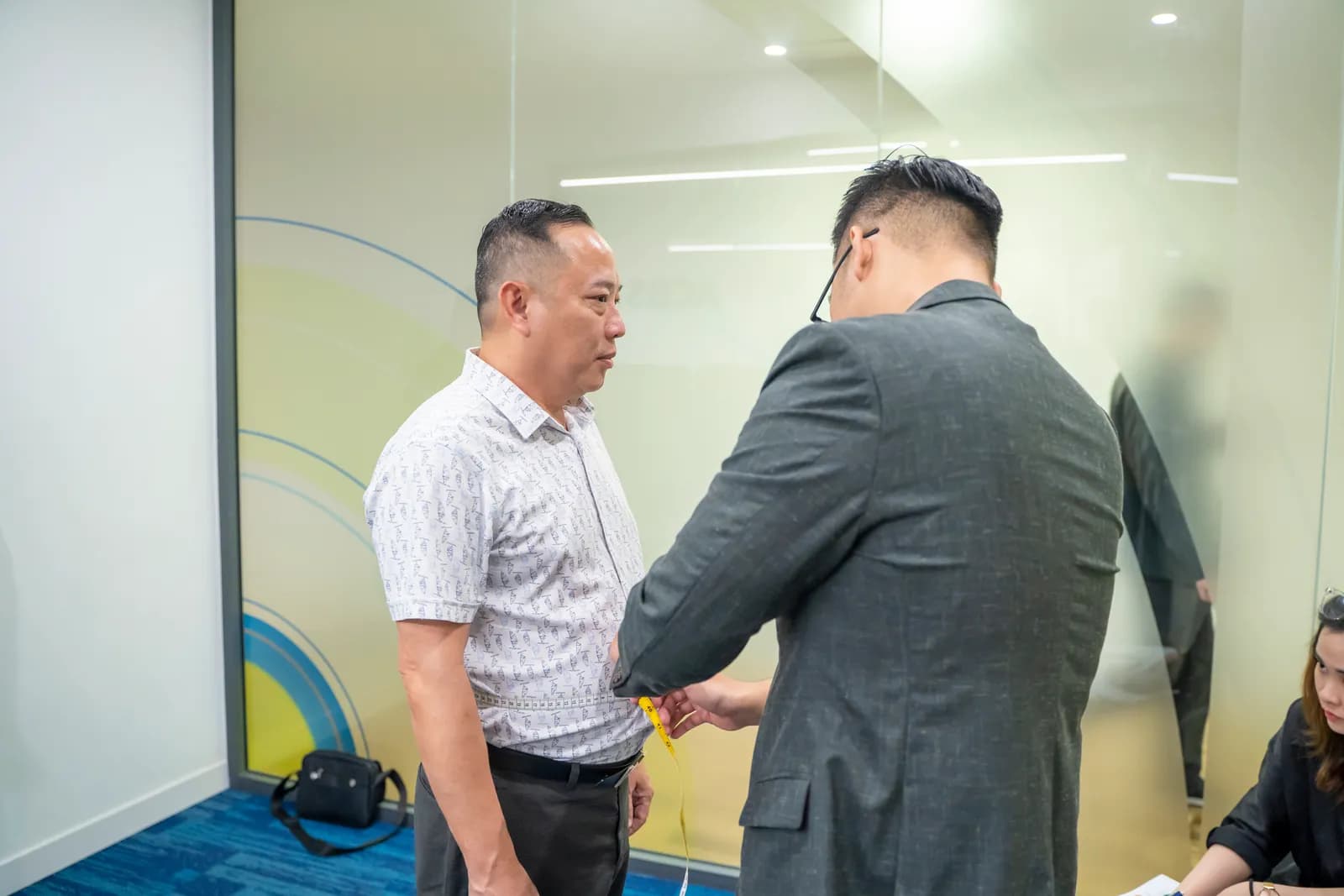
Fabric weight (GSM) is grams per square metre and shows how heavy a cloth is. Learn to read GSM and match it to T-shirts, shirts, trousers and jackets.
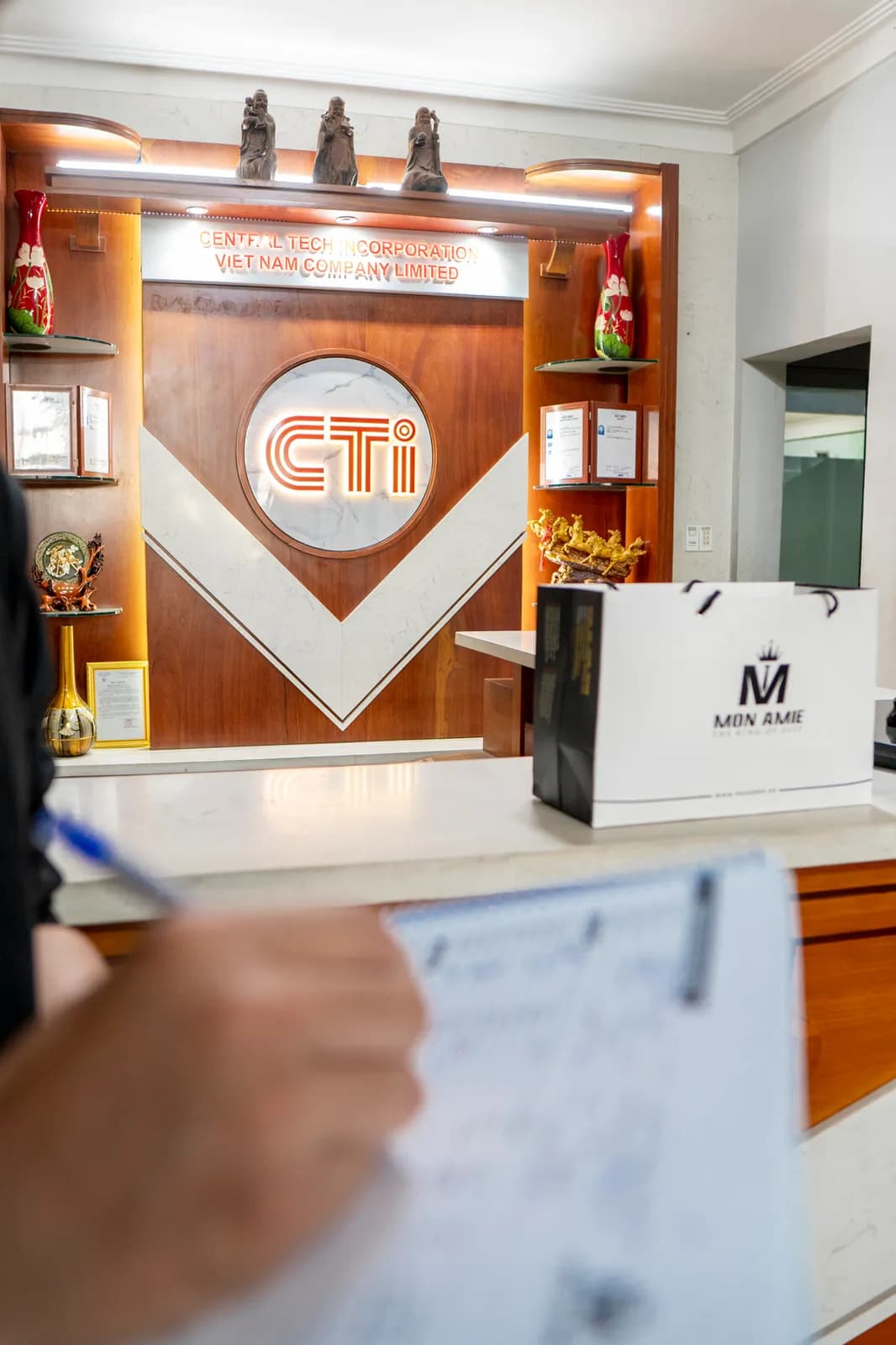
Recycled fabric in uniforms is a sustainability trend that needs proof of origin and durability. Learn the main types, how to verify claims and what to ask.

Tropical suit cloth should be light, open in weave and low in creasing for hot, humid days. Mon Amie Uniform covers weight, weave, fibre and lining.
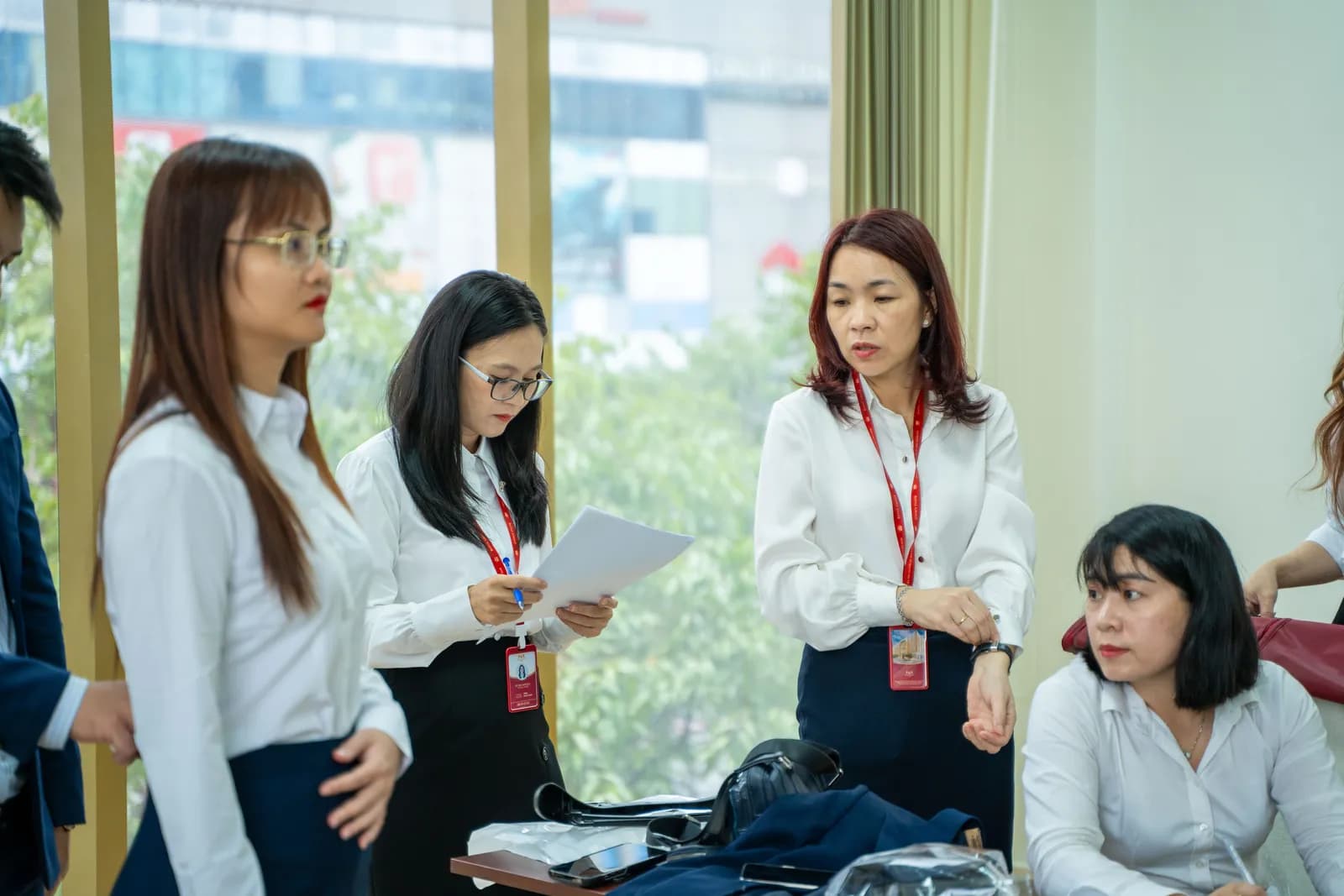
Bamboo fabric feels soft, absorbs well and wears cool, but its antibacterial effect is not absolute. How to choose and care for it in corporate uniforms.