Recycled fabric in uniforms is cloth in which part of the fibre comes from previously used material, such as PET bottles or fabric offcuts, instead of new fibre. It deserves consideration from companies with sustainability goals, but its real value rests on three things: knowing which recycled fibre is used and in what proportion, having documents that verify it, and making sure the cloth is durable enough for the uniform to last.
Common types of recycled fabric
| Type | Source material | Strengths | Watch out for |
|---|---|---|---|
| Recycled polyester (rPET) | Used PET bottles, shredded and spun into fibre | Behaves much like ordinary polyester: durable, low crease | Still a synthetic fibre that can shed microplastics when washed |
| Recycled cotton | Cutting offcuts or old garments pulled into fibre | Puts waste cloth to use | Shorter fibres, usually blended with new fibre, so feel and durability differ from pure cotton |
| Regenerated cellulose (lyocell, viscose) | Wood pulp, not old textiles | Soft, breathable, good drape | "Regenerated" is not the same as "recycled"; ask about wood source and process |
One distinction matters: viscose is familiar in office uniform cloth, but a viscose blend is not the same as a recycled fabric.
Verify, do not just trust a green label
Phrases such as "eco-friendly" are easily overused. Before adding a recycled option to a proposal, ask:
- Recycled share: the percentage of recycled fibre in the composition, stated in documents rather than only in marketing.
- Independent certification: some standards for recycled content, such as GRS (Global Recycled Standard) or RCS (Recycled Claim Standard), allow material to be traced.
- Do not confuse with chemical testing: OEKO-TEX tests for harmful substances, not for recycled content; they answer different questions.
- Batch-level documents: ask for paperwork tied to the actual batch to be sewn, not only the display swatch.
Available fabric options and their documents, where they exist, are reported by Mon Amie during consultation.
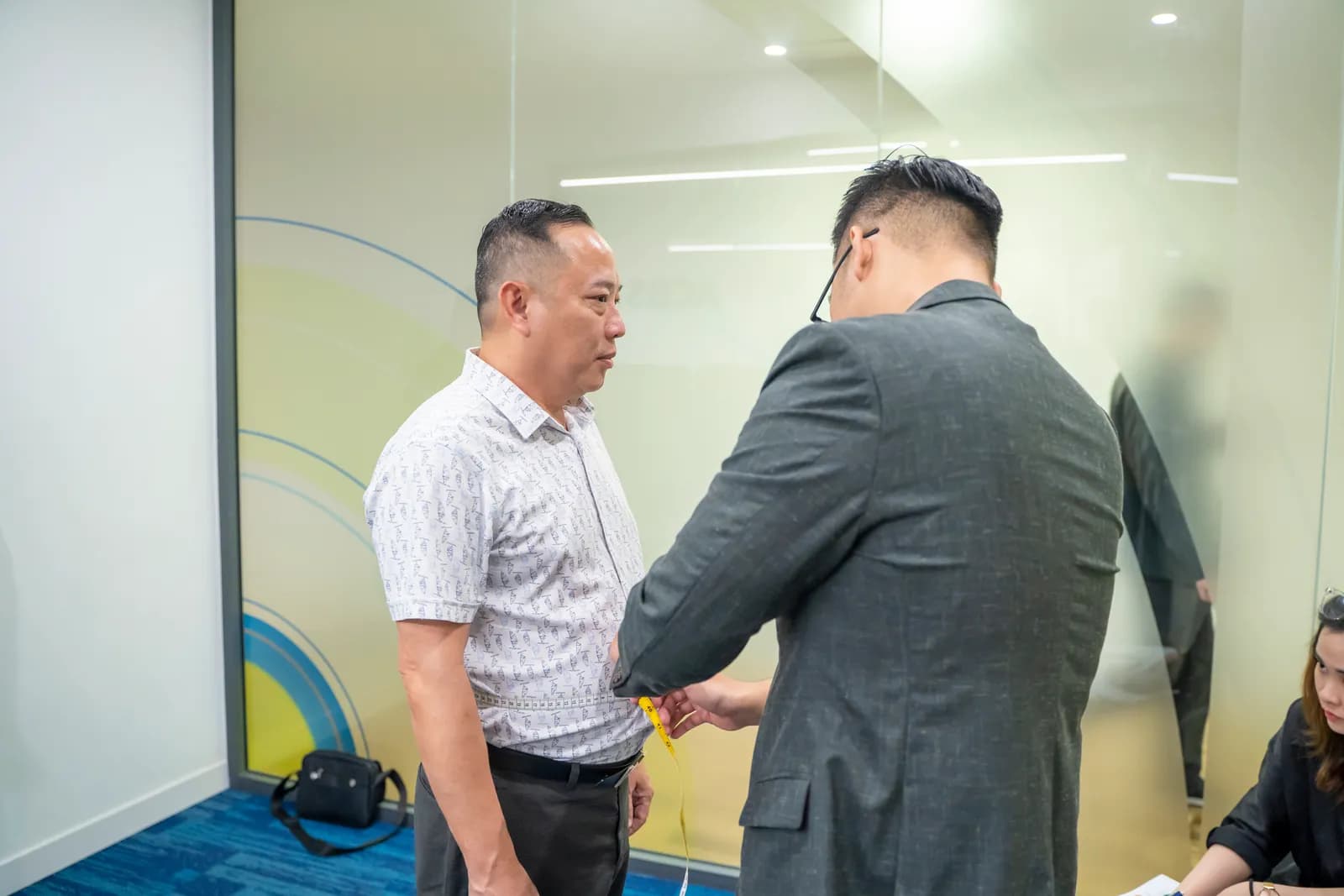
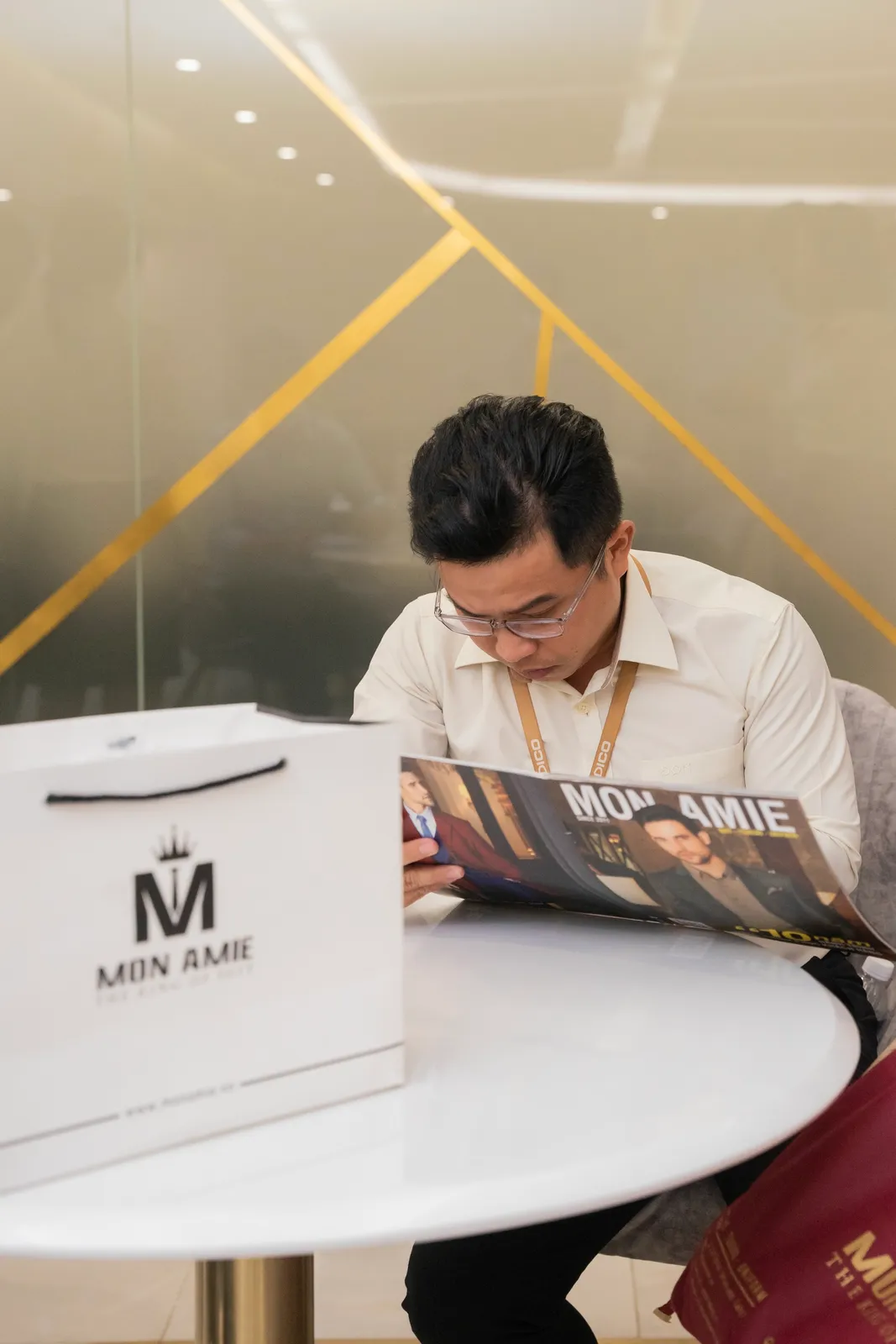
The photo below shows a Mon Amie Uniform project with Đại Quang Minh, as an illustration of a corporate uniform; it is not meant to describe the fabric.
Weighing it up before you choose
What you may gain:
- Less new raw material, in line with a brand's sustainability message.
- A clear story for a sustainability report or internal communication, if the documents are complete.
What to test:
- Feel and drape: the cloth may differ from ordinary cloth of the same blend, so handle and wear a sample.
- Colour and wash durability: uniforms are laundered often, so wash-test before approval.
- Long-term supply: new hires need pieces from the approved sample, so ask early whether the same fabric code can be sourced again.
- Price: it may vary by fabric code, so ask rather than assume.
Sustainability is more than the fibre
Often the most important sustainability factor in a uniform is its lifespan. A set that is worn for years reduces the need to remake it, which counts toward the same goal. Parts of Mon Amie's process help here:
- Made to each person's measurements: measuring every employee at your office reduces garments that do not fit and end up unused.
- Measurements stored under employee IDs: people who need a remake use their stored measurements, while new hires are measured individually and made to the approved sample, so the design is not chosen again from scratch.
- Free alteration warranty for 3 years at every showroom: adjust instead of discard.
- Quality checks at three stages (cutting, assembly, finishing): fewer errors and less rework.
Bringing recycled fabric into a proposal
Mon Amie's six-step process lets you raise this early:
- Survey: state your sustainability goals, such as reducing plastic or reporting on ESG.
- Design and fabrics: receive three options in your brand colours with real swatches; browse our design library beforehand.
- Approved sample: wear it, wash it and check the documents before signing; production starts only after sign-off.
- Measuring, production, delivery: 4-6 weeks after sample approval.
Our published starting prices, such as T-shirts and polos from 150,000 VND, women's shirts from 480,000 VND and women's business suits from 1,500,000 VND, are not tied to special recycled-fabric or certification requirements. Real prices depend on fabric, style and quantity and are confirmed during consultation.
Frequently asked questions
Is recycled fabric as durable as ordinary fabric?
It depends on the type. Recycled polyester behaves much like ordinary polyester, while recycled cotton is usually blended with new fibre and may differ in feel and durability. The safe way is to wear and wash a real sample before approval.
How can I tell a fabric is truly recycled?
Ask for the recycled share and for documents tied to the exact batch, including independent certification such as GRS or RCS where available. A marketing label alone is not proof.
Does Mon Amie offer recycled fabric for uniforms?
Please state your requirement at the survey. Mon Amie will report the fabric options available, any documents that come with them and the limits of each.
Do recycled-fibre uniforms need different laundering?
Follow the care label. For synthetic fibres, washing in a mesh bag in cool water with a gentle spin helps the cloth last and reduces fibres shed in the wash.
To receive a proposal with a price range and to discuss your fabric requirements, submit your details on our quote page or call 0888.111.118 (the same number on Zalo).