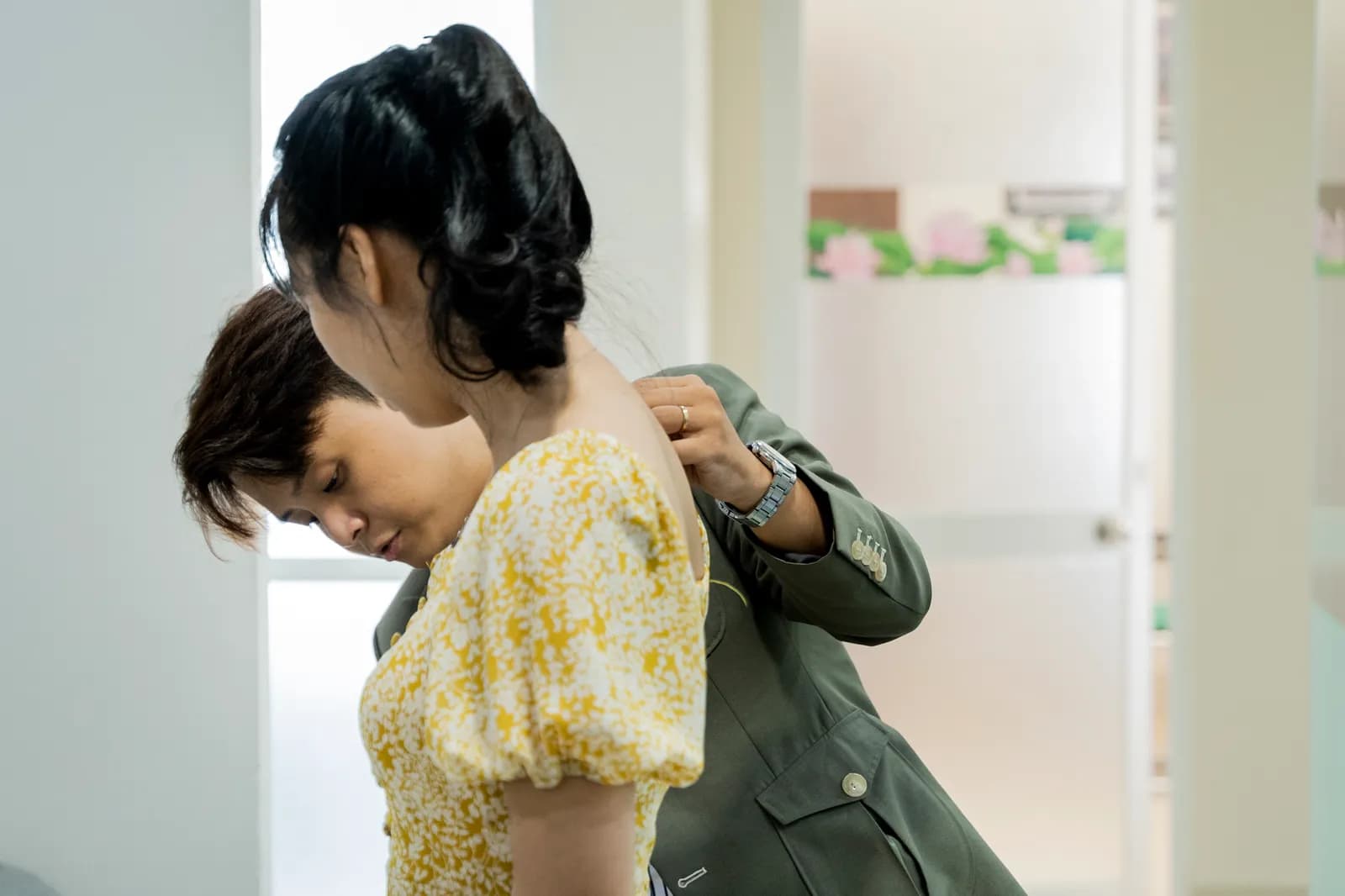
Hair, nails and jewellery rules to go with your uniform
Rules on hair, nails and jewellery for uniforms should be specific, explained, grouped by job and illustrated, with a guide by type of work.

Rules on hair, nails and jewellery that accompany a uniform should be written as specific clauses that give the reason (hygiene, safety, image), are grouped by type of work and are illustrated with photos. Vague wording such as "dress neatly" invites disputes because everyone reads it differently. A uniform is complete only when wearers share one standard for the details that go with it.
Why rules should accompany the uniform
A beautifully made uniform loses its impact if loose hair covers the name badge, long nails get in the way or large jewellery knocks into equipment. Rules do three jobs: keep hygiene where food or patients are involved, keep people safe near machinery, and keep a consistent image in front of customers. These are company policies, so how strict they are depends on your sector.
Hair
- Long hair: tied or pinned back when working with food, in medical areas or near machinery; at the office or on the sales floor, hair that does not cover the face and badge is enough.
- Men's hair: neat, clear of forehead and ears; beards shaved or trimmed evenly if the sector requires it.
- Colour: many service companies choose natural colours to suit the brand image, but that is each company's choice.
- Hair accessories: clips and small bows in the uniform's tone.
Nails
- Short and clean is the minimum for every role.
- In kitchens, food preparation and healthcare, many workplaces do not allow polish or artificial nails for hygiene reasons.
- In offices, reception and sales, pale or neutral colours may be allowed.
Jewellery and accessories
- Rings, bracelets, watches: where food, medical devices or machinery are involved, it is usually wise to remove them.
- Earrings, necklaces: small and close-fitting; avoid long or swinging pieces.
- Perfume: light, especially for roles close to customers.
- Footwear: part of the overall image, so state whether closed shoes, heel height or colour are expected.
A guide by type of work
| Group | Hair | Nails | Jewellery |
|---|---|---|---|
| Office, reception | Neat, face uncovered | Short, pale colour | Minimal, small earrings |
| Restaurant, hotel | Pinned or tied back | Short, clean | Limited, no bangles |
| Kitchen, food | Fully tied, with cap | Short, no polish | No rings or bracelets |
| Medical, pharmacy | Tied back | Short, no polish | Kept to a minimum |
| Warehouse, production | Neat, tied if near machines | Short | None near machinery |
This is a general guide for reference, not a legal requirement; each company decides what suits it.
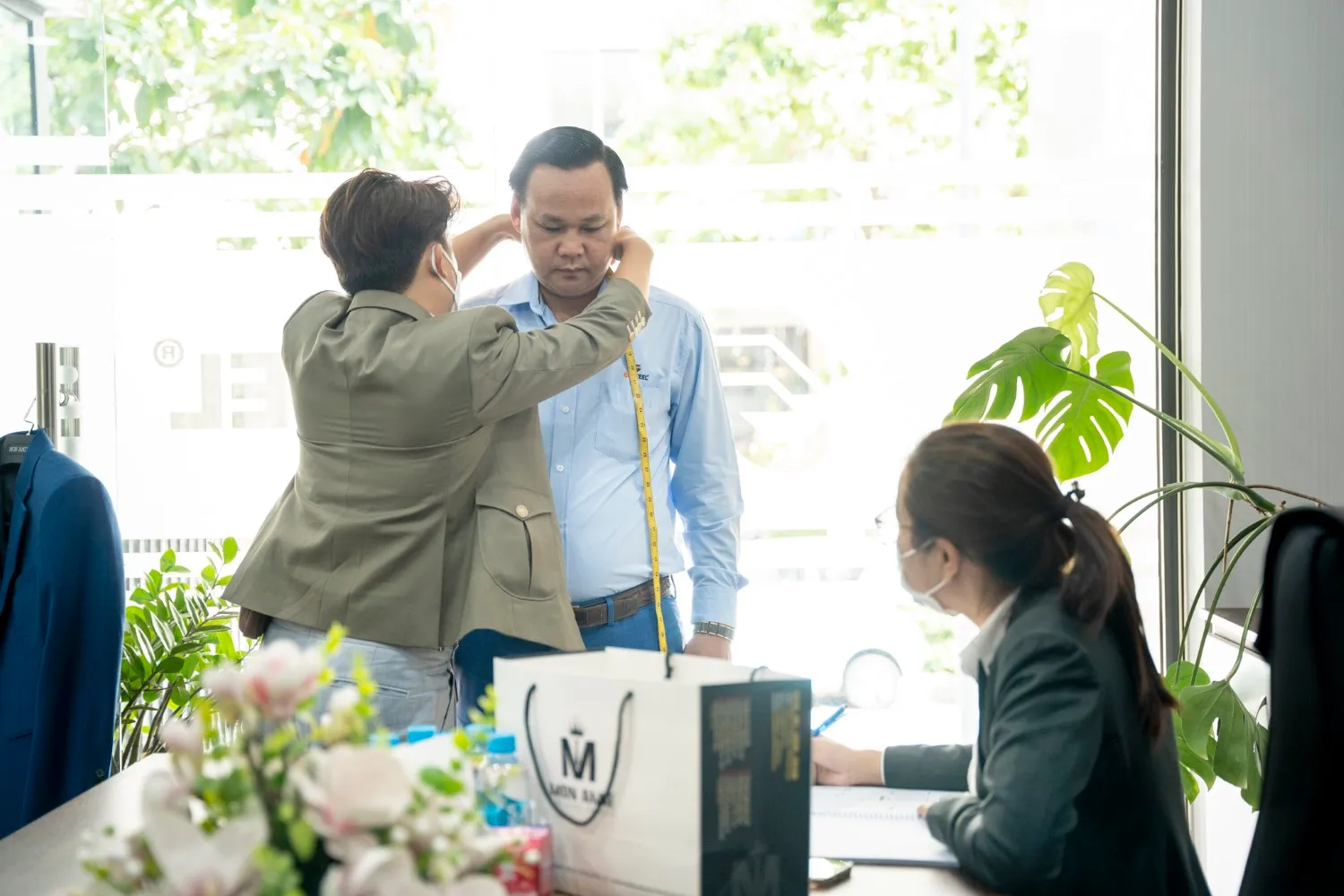
Mon Amie Uniform has worked with GB Steel, and the photo below shows a project with them.
Writing rules that are clear and fair
- Give the reason beside each clause; people accept rules they understand.
- Use photos instead of adjectives such as "tidy" or "professional".
- Apply them to men and women alike, by job role, not by gender.
- Leave room for exceptions such as religious head coverings or medical accessories, with permission requested in advance.
- Explain at hiring and repeat when uniforms are issued, with a named person to answer questions.
If you have doubts about the legal limits of workplace rules, ask your legal counsel; Mon Amie advises on clothing, not law.
Designing the uniform to support the rules
Garment details can back up a policy. A low collar keeps tied-back hair out of the way; short or three-quarter sleeves make hand-washing easy when jewellery is removed; a badge placed where hair does not cover it stays readable. Raise these rules at the survey, the first of our six steps, so the design reflects your real working environment, then choose collars and sleeves from the design library.
Frequently asked questions
Can a company ask staff to remove jewellery or artificial nails?
That is a company policy; it should have a clear reason such as hygiene or safety, apply equally and be communicated beforehand. For legal limits, consult your legal counsel.
Should the rules be the same for men and women?
Base them on the job. In a kitchen, both men and women go without rings or bracelets; at a customer counter, both keep jewellery minimal.
When should the rules be explained?
At hiring, and again when uniforms are issued, so wearers see the outfit and its accompanying details together.
Can the uniform help enforce hair and nail rules?
Yes, through collars, sleeves, badges and pockets. Raise the rules at the survey so Mon Amie can build them into the three design options.
If you are preparing a uniform with a dress policy, send your details through our quote page or call 0888.111.118 (the same number on Zalo).